Safahat
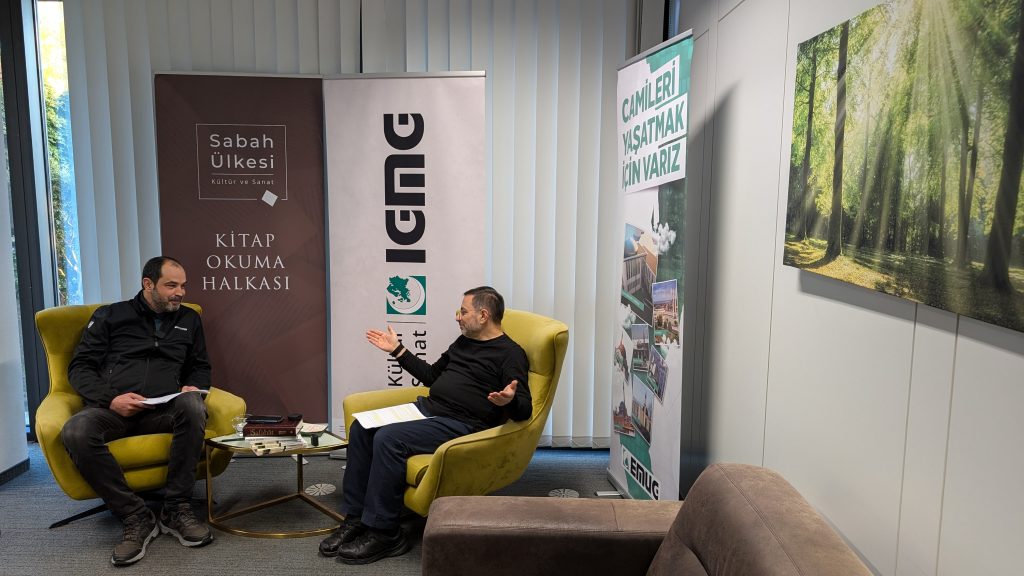
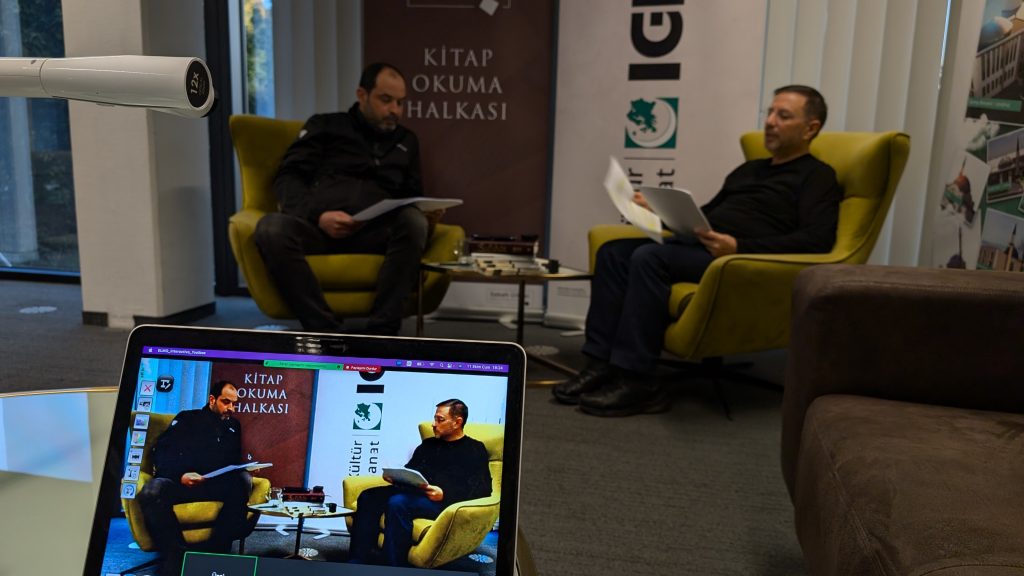
Turkish poet Mehmet Akif Ersoy—author of Safahat and the Turkish National Anthem—was the focus of another session. Having translated the Quran, Mehmet Akif withdrew his own translation when he heard that only the Turkish translation was being read in mosques. In 1926, unable to bear unnecessary persecution, he moved to Egypt and continued teaching Turkish language at the university.
Mehmet Akif Ersoy, a multifaceted personality, was known as a scholar, poet, Quranic exegete, orator, traveler, writer, journalist, statesman, and athlete. Due to his powerful and influential pen, he used his poetry as a means to convey ideas.
Safahat, which preserves his collected poems, consists of seven volumes. Safahat means phases, that is, the different faces of life. Akif addressed contemporary social events, historical and religious topics, and spoke to the people, which he continues to do today. In his works, he strives to understand the Quran, live as a Muslim, and renew himself. His poem 'Necid Çölleri', dedicated to the Prophet, holds a special place in Safahat. His poem 'Zulmü Alkışlayamam' is, alongside the National Anthem, one of the most well-known and beloved poems of our time. Akif, whose fighting spirit is reflected in his character, left behind a poet who carries the traces of this struggle in his works.
Reading circle gallery